
Planning guide
Summit & Safari: Kilimanjaro and the parks in one trip
Climb first and let the safari be your reward. How to pace the mountain, the rest day and the parks.
Climb first, safari after
Tired legs welcome a seat in a game-drive vehicle, and the parks feel like a reward. It also keeps the weather and any delays on the mountain from eating into your safari.
Some prefer the safari first: the Ngorongoro highlands sit at around 2,300 m, a gentle warm-up for the altitude.
Choosing a route
- Lemosho (7–8 days): quieter, beautiful and excellent for acclimatisation.
- Machame (6–7 days): the most popular, with varied scenery.
- Rongai (6–7 days): approaches from the north, usually drier.
- Marangu (5–6 days): huts instead of tents, but the short schedule lowers summit success.
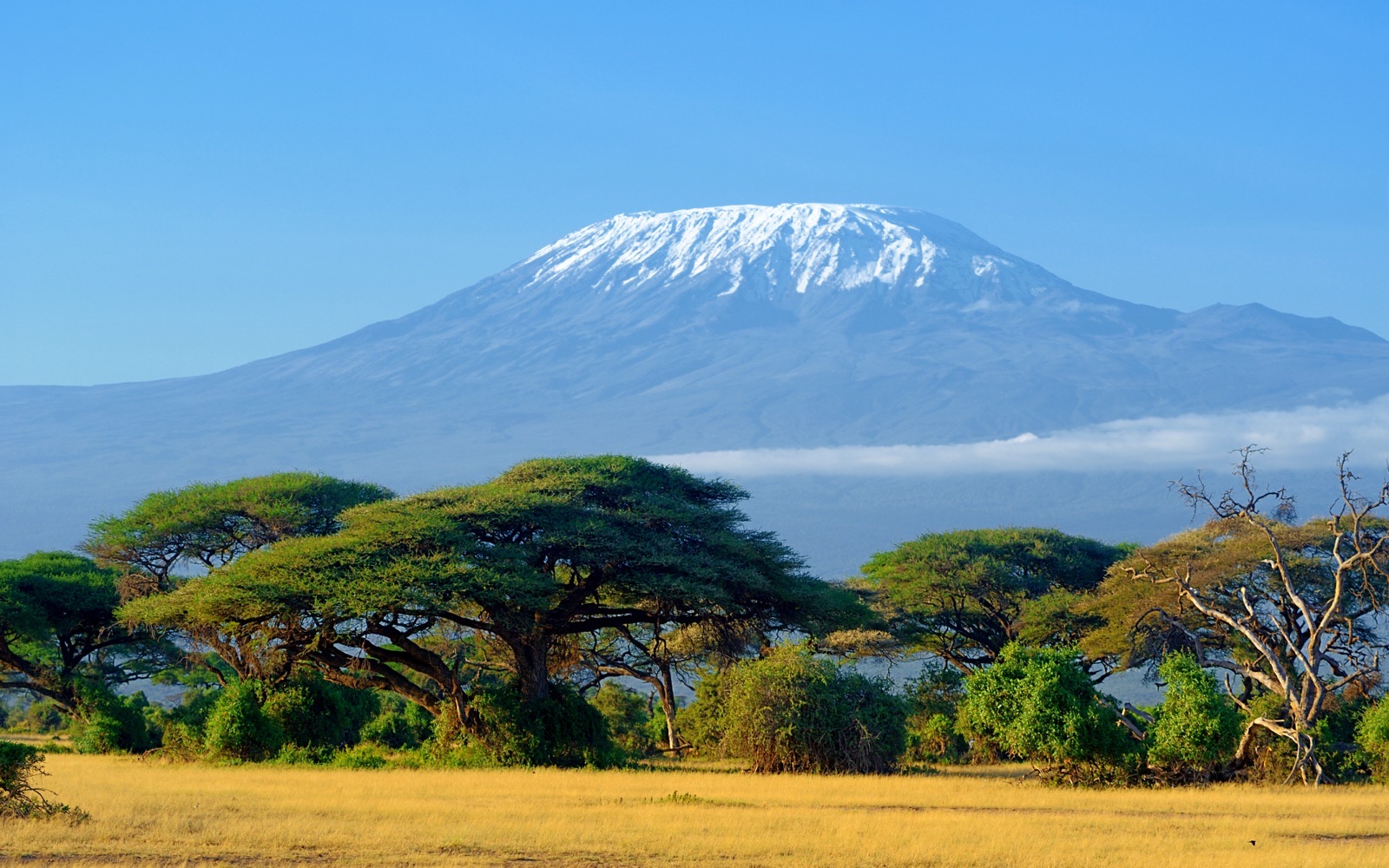
Uhuru Peak stands at 5,895 m. More days on the mountain means more time to adjust, and a better chance of standing on top.
A sample 13-day plan
- Day 1: arrive at Kilimanjaro Airport and rest in Moshi or Arusha.
- Days 2–8: the Lemosho route, summit night on day 7.
- Day 9: a slow day in Arusha: hot shower, long lunch.
- Days 10–12: Tarangire and Ngorongoro Crater, or fly to the Serengeti.
- Day 13: fly home, or on to Zanzibar.
Preparing well
- Train with long hill walks in the boots you’ll climb in.
- Make sure your travel insurance covers trekking to 6,000 m.
- See a travel clinic about altitude and any medication.
- Full-moon summit nights are spectacular and book up first.
Ready to make it your trip?
Share a few details; a planner in Arusha will sketch a route around your dates.
Talk to a local
Every safari starts with one conversation.
Tell us who’s travelling, roughly when, and what you’d love to see. A real person in Arusha will reply — before the sun sets.