
Destination guide
Off the beaten path: Tanzania’s wild south & far west
Big rivers, empty plains and chimpanzee forests — for when you’ve seen the classics, or want somewhere almost no one goes.
Why go further?
Tanzania protects far more wilderness than most visitors see. In the south and west, camps are few and wildlife keeps its own rhythm.
Made for second visits, photographers and walkers. Most are reached by light aircraft; we keep flying time sensible.
Good to know
- Best season
- June – October (dry)
- Getting around
- Light-aircraft flights between parks
- Ideal stay
- 3–4 nights per park
- Pairs well with
- Zanzibar, the north, Kilimanjaro
Southern Tanzania
Ruaha National Park
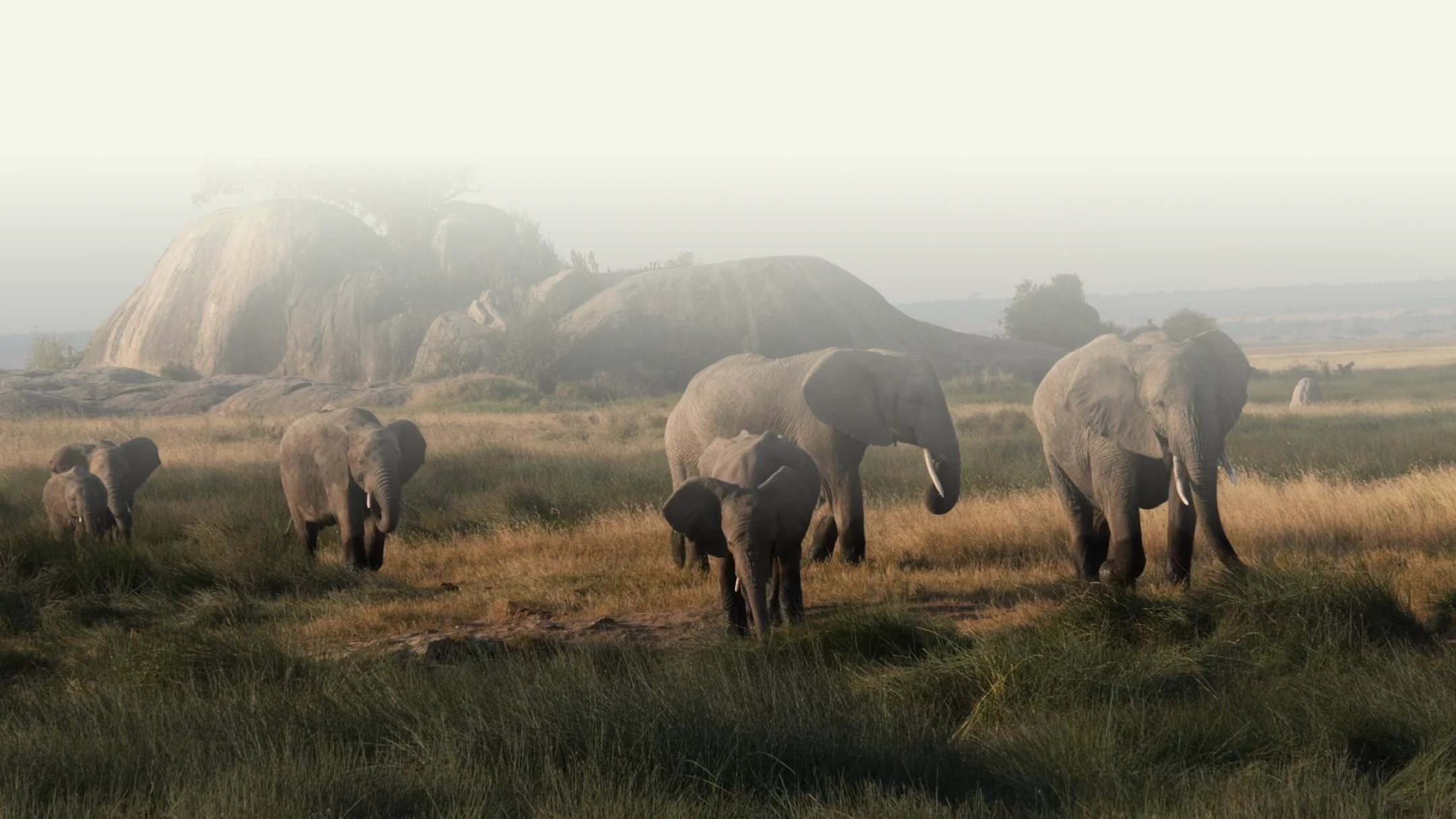
Lion pridesRugged, baobab-studded hills cut by the Great Ruaha River. Vast, wild and very lightly visited.
- Size
- About 20,000 km²
- Best time
- Jun–Oct (dry season)
- Getting there
- Light-aircraft flight from Arusha or Dar es Salaam; or by road via Iringa

Wildlife & highlights
- Large lion prides and one of East Africa’s biggest elephant populations
- Greater and lesser kudu, sable and roan antelope
- African wild dog, cheetah and leopard
- A meeting point of East and Southern African species
Why goBig-predator country with a handful of camps — the feeling of having a huge wilderness to yourself.
Southern Tanzania
Nyerere National Park & Selous Game Reserve
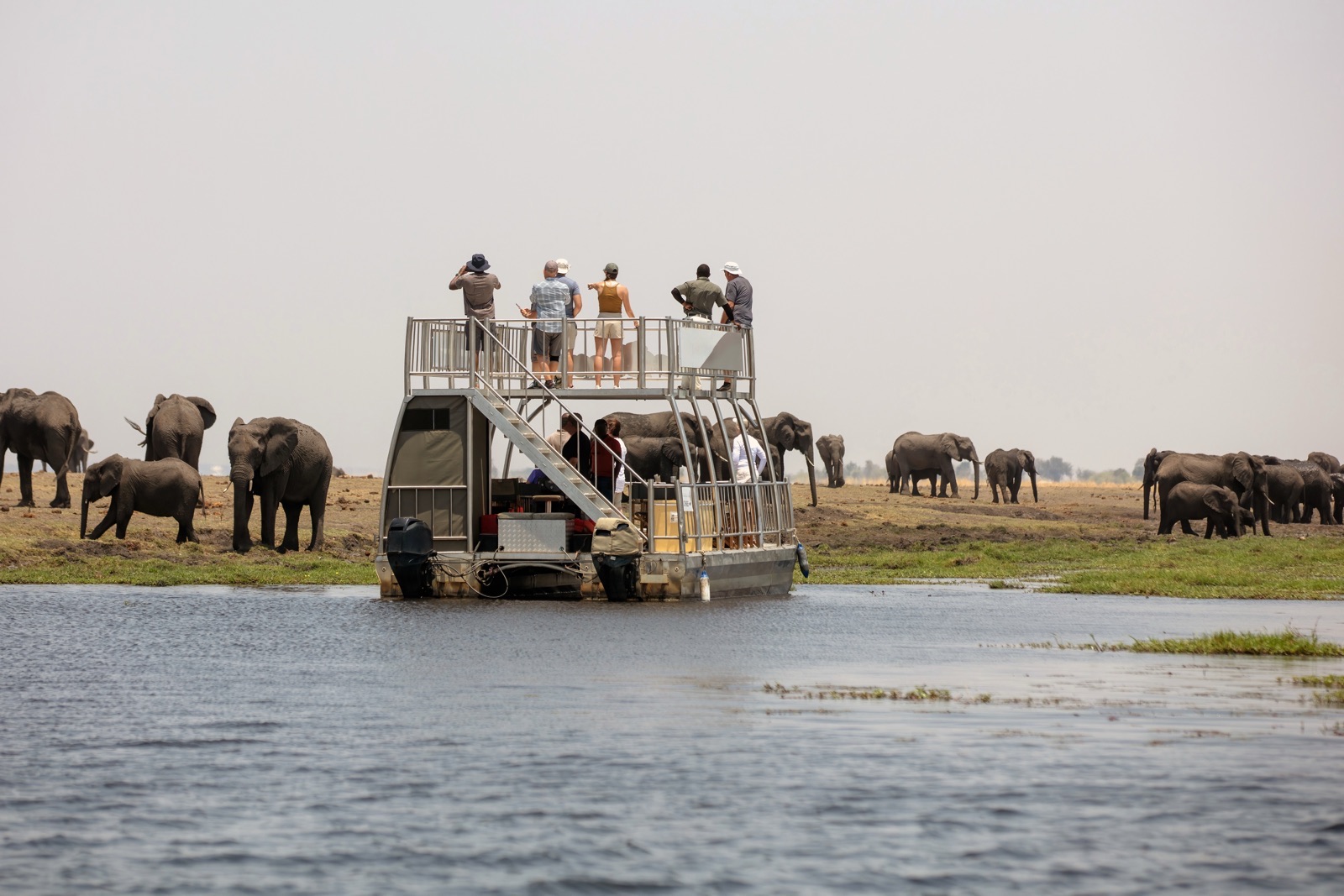
Boat safarisThe Rufiji River braids through lakes, channels and palm-lined floodplains — the most watery safari in Tanzania.
- Size
- Park: about 30,900 km²
- Best time
- Jun–Oct; Jan–Feb is also good
- Getting there
- Short flights from Dar es Salaam or Zanzibar
Wildlife & highlights
- One of Africa’s strongholds for wild dog
- Hippo, crocodile and huge birdlife along the Rufiji
- Elephant, buffalo, lion and giraffe on the floodplains
- Boat safaris, walking safaris and game drives in one stay
Why goBoat, foot and vehicle safaris in one place, and an easy pairing with Zanzibar.
In 2019 the northern, photographic part of the historic Selous became Nyerere National Park — Tanzania’s largest. Most camps and the Rufiji River sit inside Nyerere; the southern Selous remains a game reserve.
Western Tanzania
Katavi National Park
Hippo poolsRemote floodplains, palm-fringed lakes and shrinking rivers — one of Africa’s least-visited parks.
- Size
- About 4,500 km²
- Best time
- Jul–Oct (late dry season)
- Getting there
- Charter flight, often combined with Mahale

Wildlife & highlights
- Hundreds of hippos crowding the Katuma River’s last pools
- Buffalo herds in their thousands
- Lion, leopard and big crocodiles
- Topi, roan and eland on the open plains
Why goTrue isolation: you may not see another vehicle for days.
Western Tanzania · Lake Tanganyika
Mahale Mountains National Park
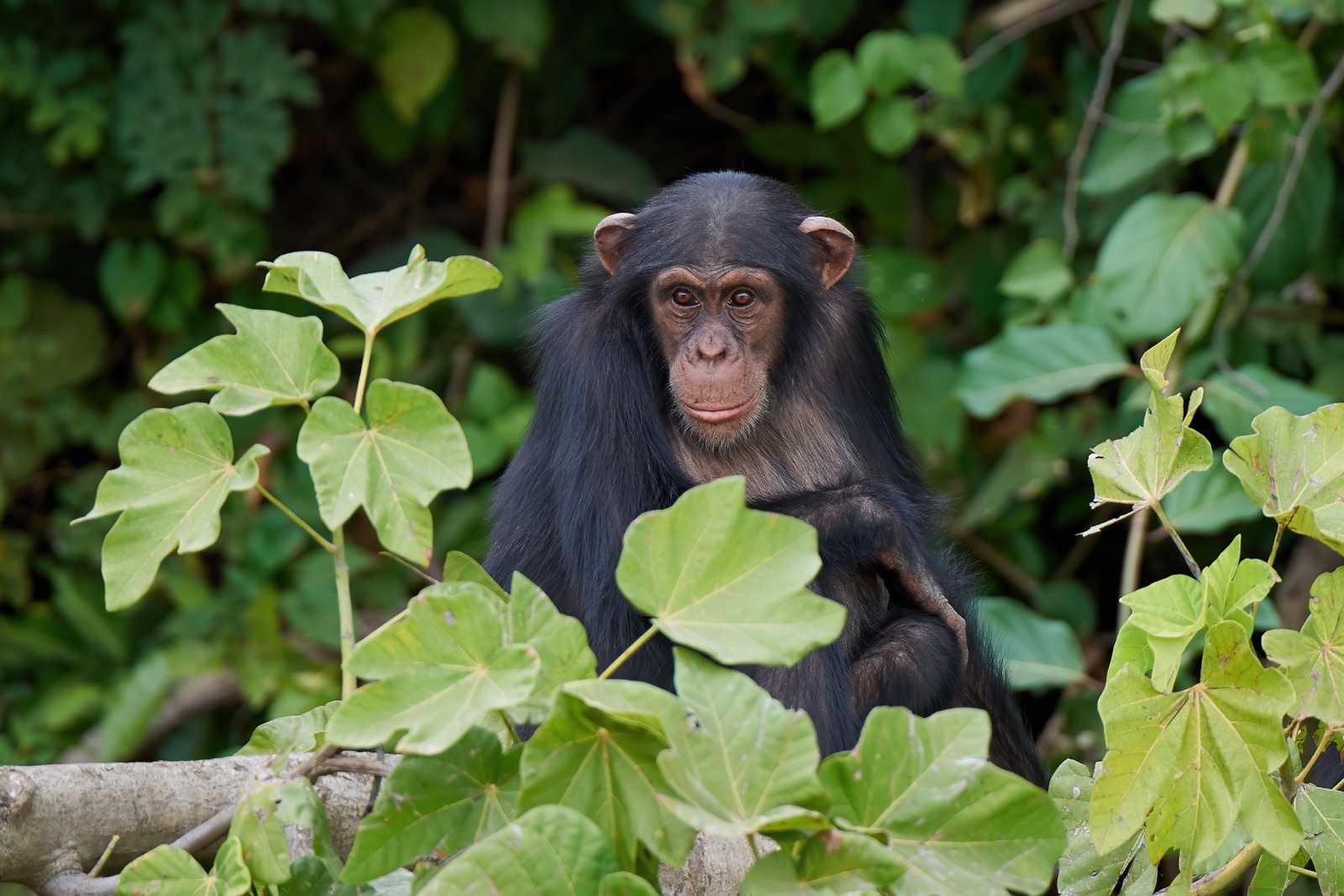
ChimpanzeesForested mountains dropping straight into the clear water of Lake Tanganyika, the world’s longest freshwater lake.
- Size
- About 1,600 km²
- Best time
- Jul–Oct, when chimps range lower on the slopes
- Getting there
- Charter flight, then boat along Lake Tanganyika — there are no roads
Wildlife & highlights
- A habituated chimpanzee community studied by researchers since 1965
- Red colobus and other forest primates
- Forest birds and butterflies
- Swimming, kayaking and dhow trips on the lake
Why goSpend an hour with wild chimpanzees, then a beach afternoon on an inland sea.
South-central Tanzania
Udzungwa Mountains National Park
Rainforest trailsPart of the ancient Eastern Arc Mountains — misty rainforest, waterfalls and some of Africa’s richest endemic life.
- Size
- About 2,000 km²
- Best time
- Jun–Oct (drier trails)
- Getting there
- About 6 hours by road from Dar es Salaam; pairs with Mikumi or Ruaha
Wildlife & highlights
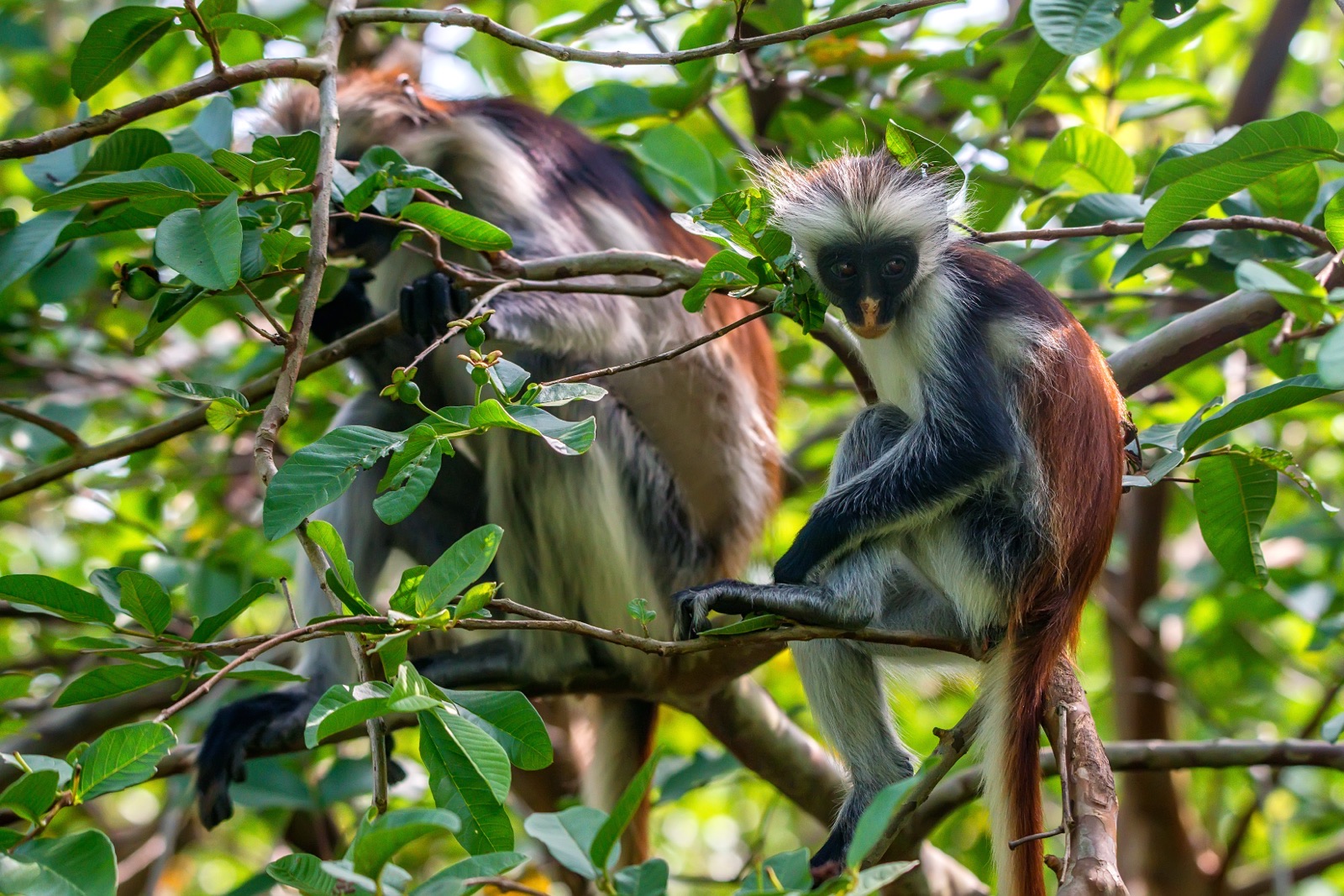
- Endemic Udzungwa red colobus and Sanje crested mangabey
- The grey-faced sengi (giant elephant-shrew), described in 2008
- The Sanje waterfall, about 170 m high
- Rare forest birds
Why goA walking-only park for hikers, birders and primate lovers — no game drives, just forest trails.
Northern Tanzania · Kenya border
Mkomazi National Park
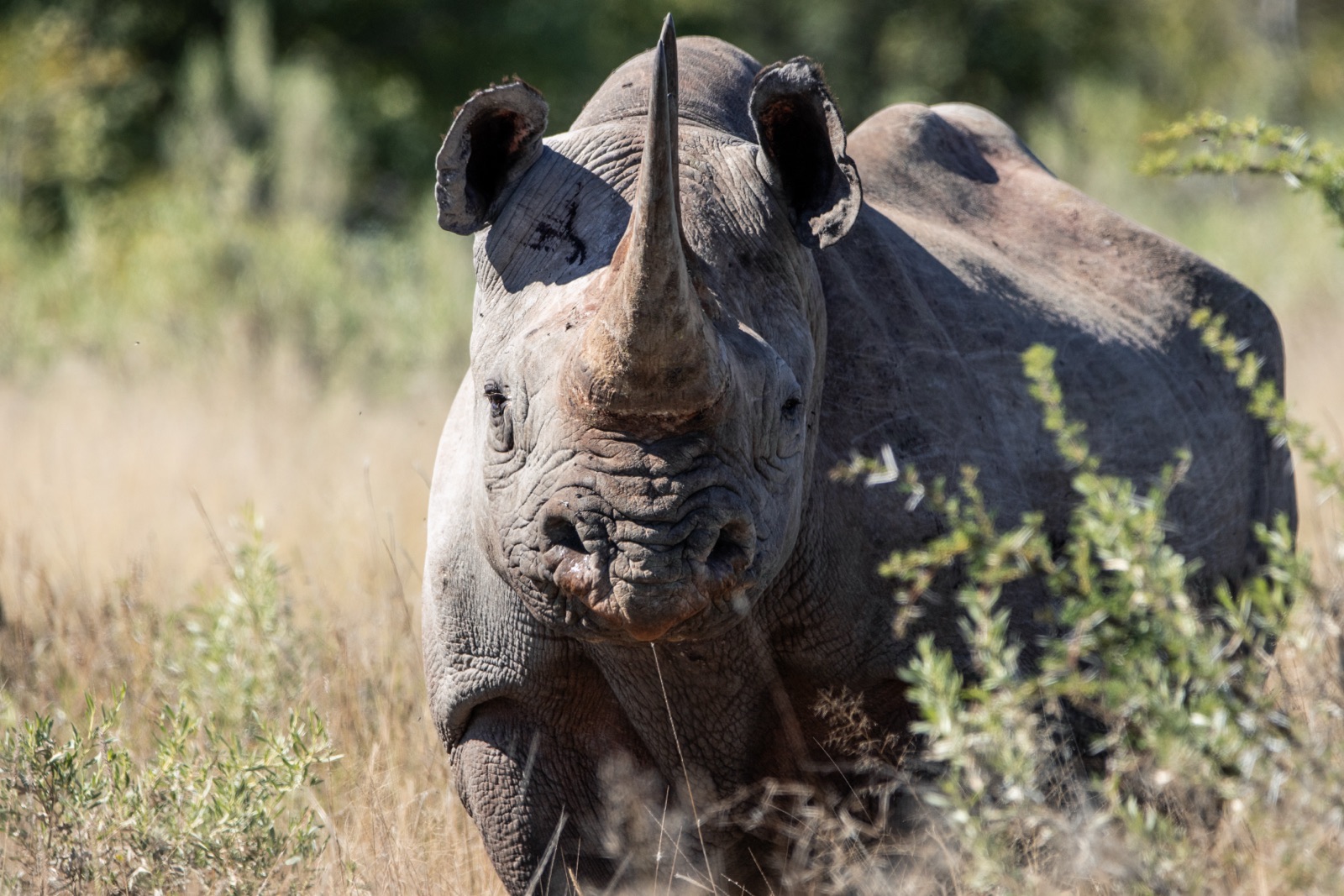
Rhino sanctuaryDry-country savanna on the Kenyan border, facing Tsavo West, with Kilimanjaro on the horizon.
- Size
- About 3,200 km²
- Best time
- Jun–Oct and Jan–Feb
- Getting there
- About 3–4 hours by road from Moshi or Arusha
Wildlife & highlights
- A fenced black-rhino sanctuary run with conservation partners
- An African wild-dog breeding programme
- Gerenuk, fringe-eared oryx and lesser kudu
- Big skies and almost no other visitors
Why goA conservation story you can see first-hand, and a quiet add-on before or after Kilimanjaro.
Southern Highlands
Kitulo National Park
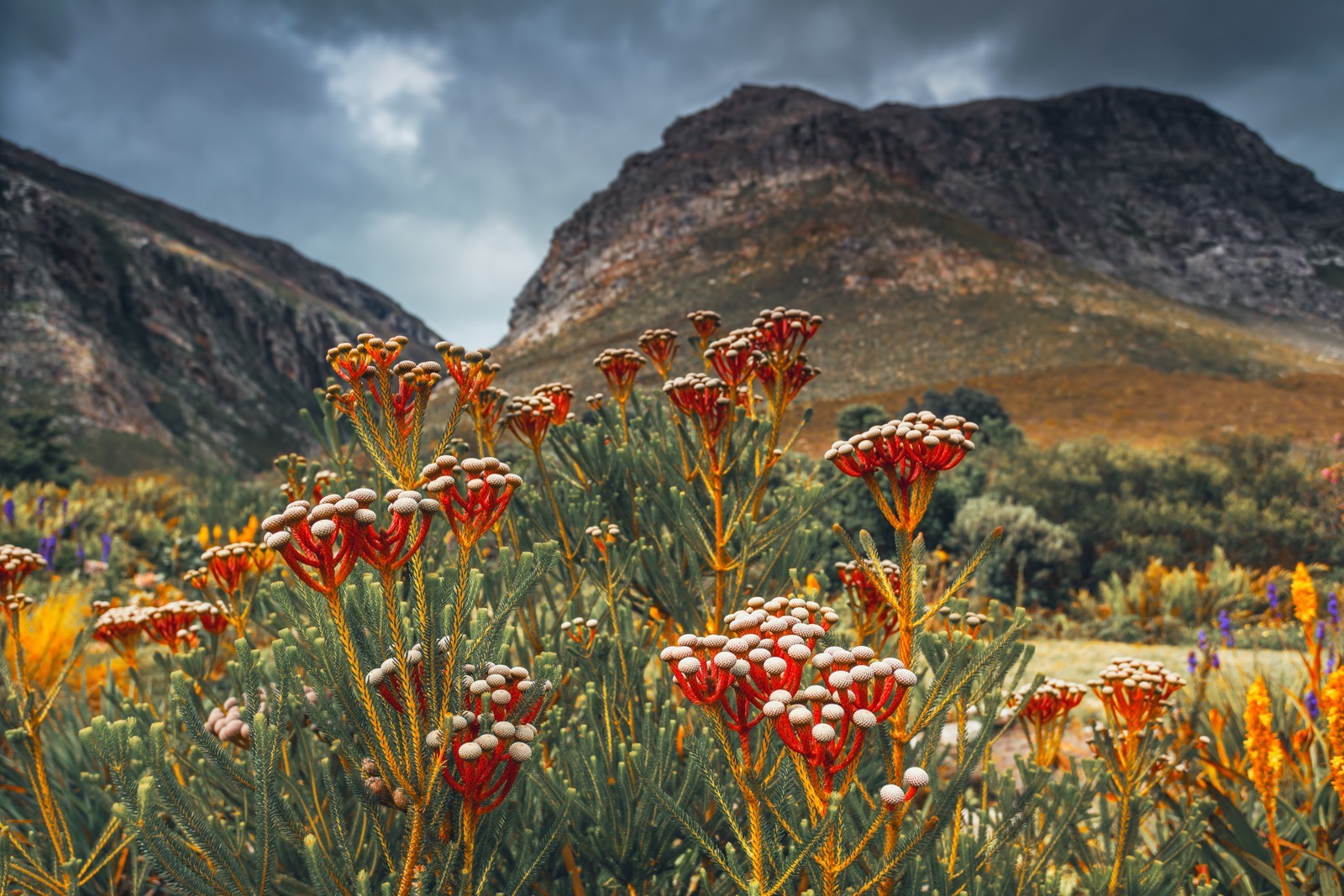
WildflowersA high grassland plateau at around 2,600 m, known locally as Bustani ya Mungu — the Garden of God.
- Size
- About 410 km²
- Best time
- Dec–Apr for the wildflower bloom
- Getting there
- By road from Mbeya; flights to Songwe Airport
Wildlife & highlights
- Tanzania’s first national park created mainly for its flora (2005)
- Around 45 kinds of terrestrial orchids among some 350 plant species
- Rare montane birds, including Denham’s bustard
- Nearby forests home to the kipunji, a monkey only described in 2005
Why goFor botanists, photographers and walkers — a flower safari unlike anywhere else in East Africa.
Northern Tanzania · near Ngorongoro
Lake Eyasi
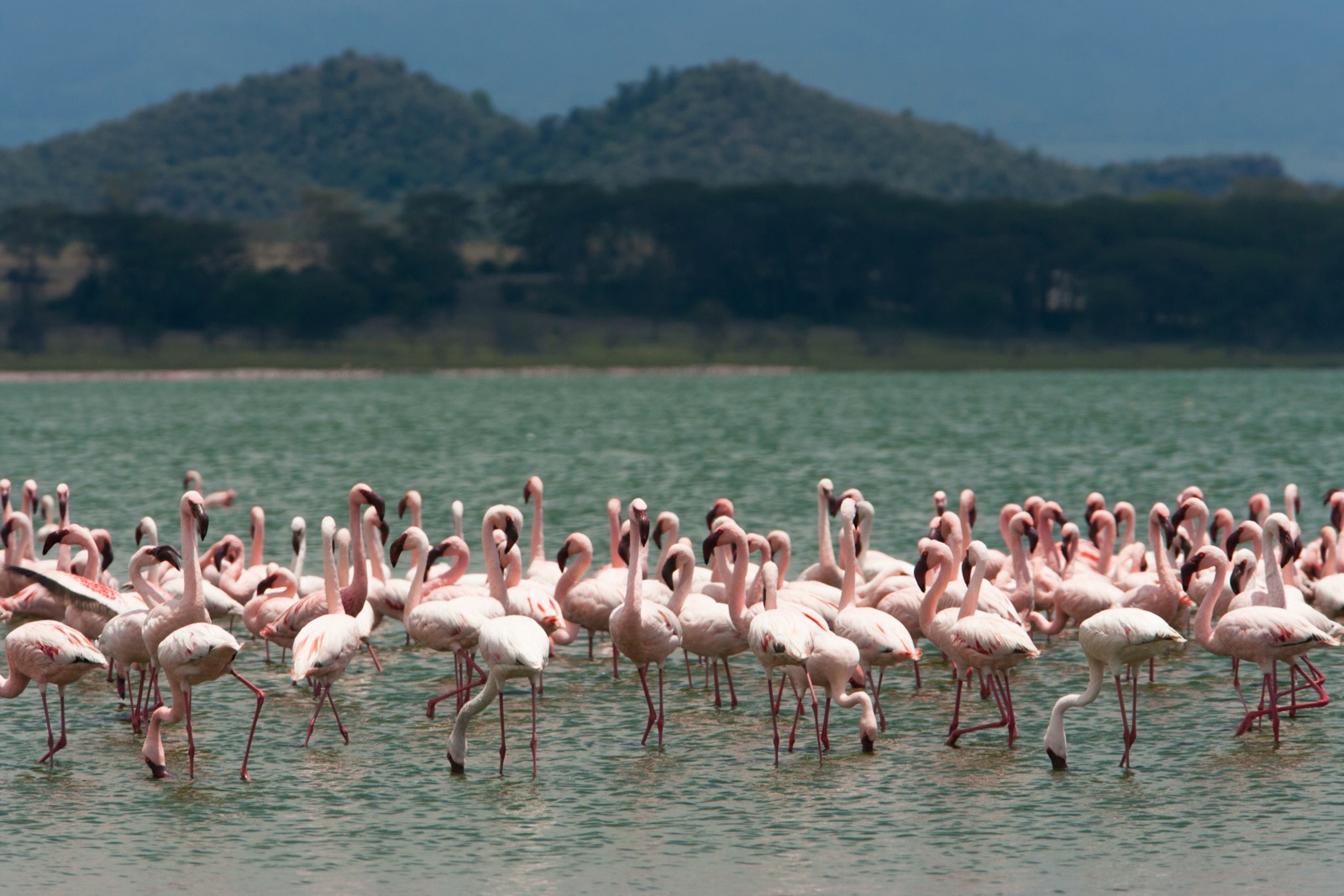
Hadzabe cultureA shallow soda lake below the Rift escarpment, ringed by acacia and baobab, often shimmering with flamingos after the rains.
- Size
- Seasonal soda lake
- Best time
- Year-round
- Getting there
- About 1.5–2 hours by road from Karatu
Wildlife & highlights
- Dawn walks with the Hadzabe, among Africa’s last hunter-gatherers
- Datoga pastoralists and their traditional metal-working
- Flamingos and waterbirds in wetter months
- Onion farms and lakeshore villages
Why goA respectful, human-scale cultural visit that fits neatly between the Ngorongoro Crater and the Serengeti.
Talk to a local
Let’s go somewhere quieter.
Tell us which parks caught your eye. We’ll check the season, the flights and the camps, and sketch a route that makes sense.